Before They Were the Go-Go's
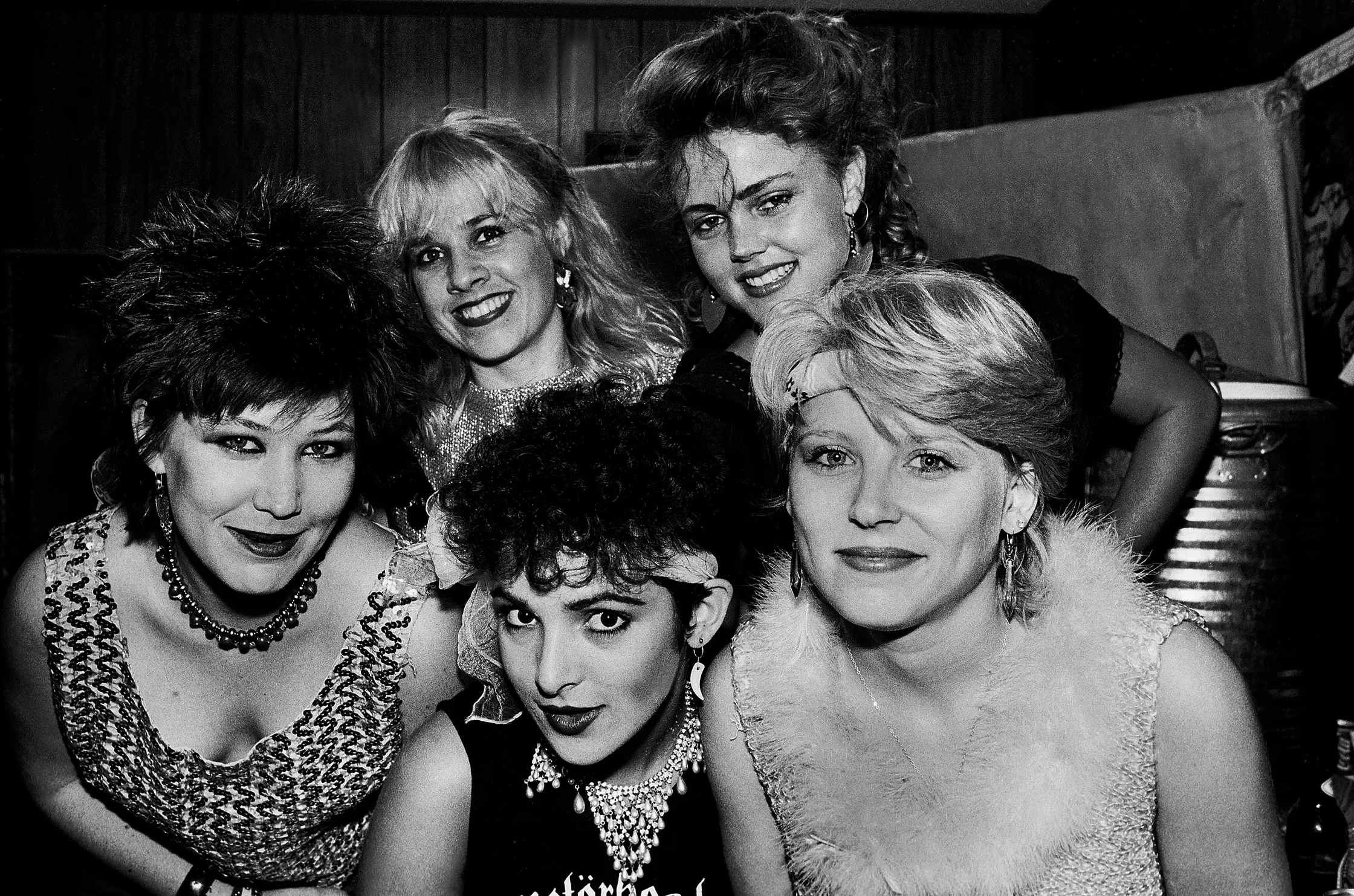
Beauty and the Beat at 45, and the punk scene that made an American classic
When the Library of Congress announced that Beauty and the Beat would enter the National Recording Registry in 2026, it recognized more than a landmark album. It recognized a record that quietly altered the architecture of American rock. Released on July 8, 1981, the Go-Go’s debut became the first, and remains the only, album written and performed entirely by an all-female band to reach No. 1 on the Billboard album chart. The statistic is repeated whenever the band’s legacy is discussed, usually as a celebratory first. It also carries a more unsettling implication. More than four decades later, no one has repeated it. That absence says as much about the music industry as it does about the Go-Go’s.
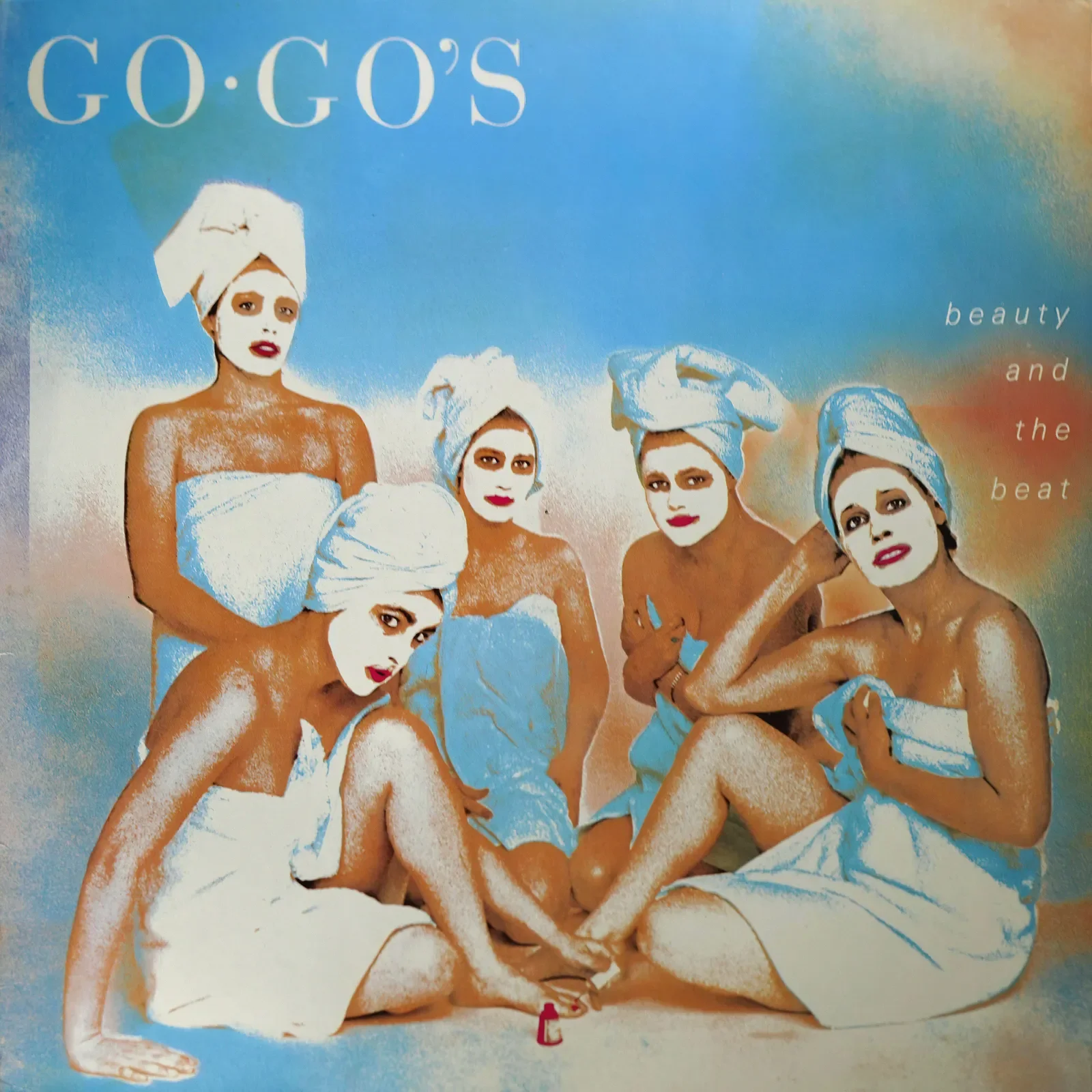
The band’s success has often been presented as an improbable fairy tale, five young women emerging from the Los Angeles punk underground to conquer American pop. It is an appealing story because it compresses years of uncertainty into a single triumphant image: five women in towels, Noxzema across their faces, smiling from the cover of Beauty and the Beat as though fame had arrived in the middle of a slumber party. The photograph has become one of the defining images of the early MTV era. It is also one of its cleverest disguises. Behind those smiles were years of borrowed instruments, makeshift rehearsals, changing lineups, skeptical executives, and a punk community that believed becoming mattered more than already being.
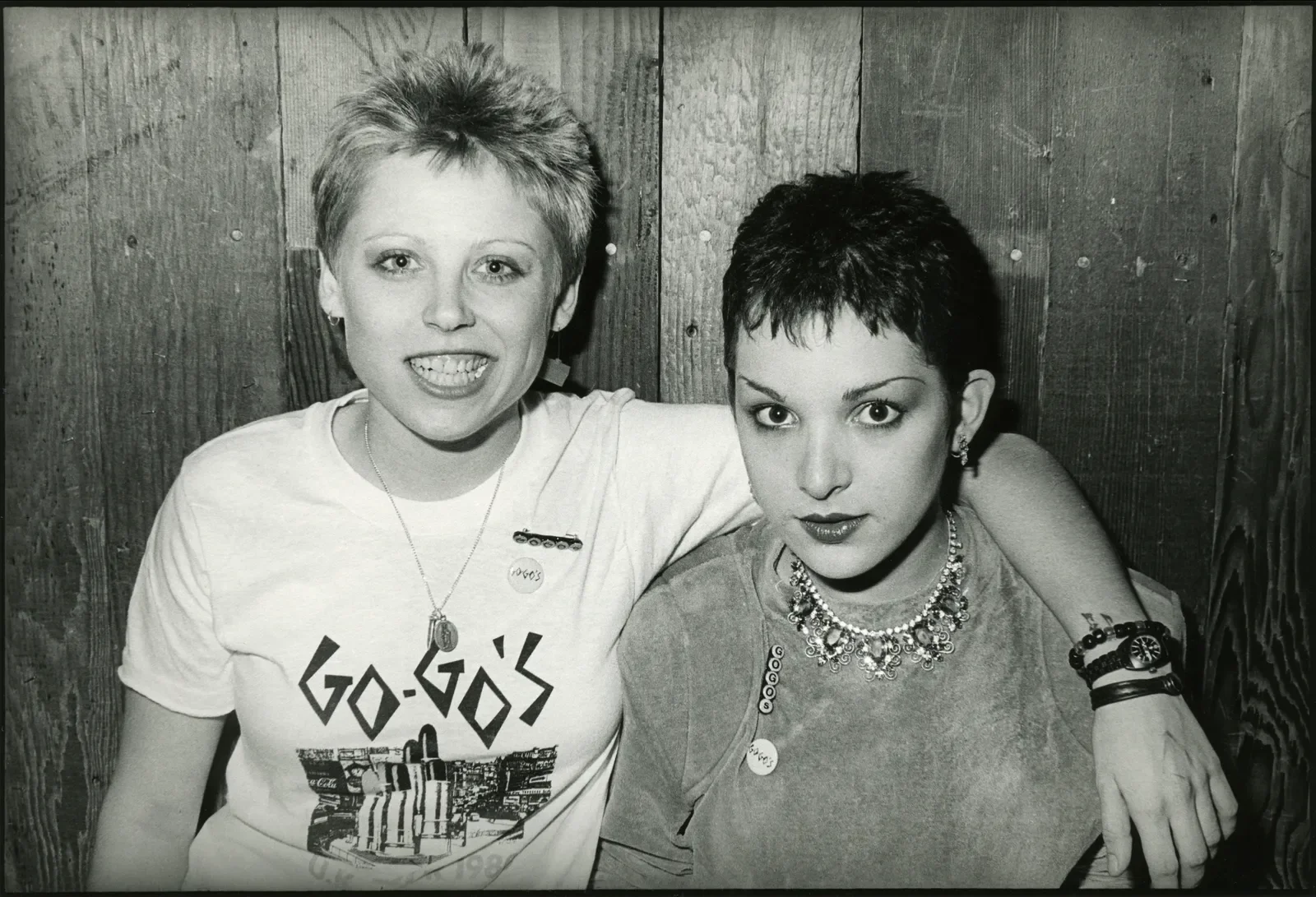
The Los Angeles punk scene of the late 1970s has never been easy to describe because it resisted becoming one thing. Later histories often gravitated toward its most combustible personalities, Darby Crash, the Germs, violence at shows, and the mythology of self-destruction. The people who lived inside that world often remember something more generous. Jane Wiedlin would later describe it as “a haven for misfit toys,” a community where artists, musicians, photographers, filmmakers, and designers found one another because conventional Los Angeles had little interest in any of them. British music papers circulated from hand to hand. David Bowie, Roxy Music, Iggy Pop, Patti Smith, the New York Dolls, and the Sex Pistols were discussed with the seriousness usually reserved for literature or politics. At the Masque beneath the Pussycat Theatre on Hollywood Boulevard, the line between audience and performer remained wonderfully unstable. One week someone watched a band. The next week they started one. That atmosphere shaped the Go-Go’s long before they made a record.
Belinda Carlisle entered the scene through her friendship with Lorna Doom, bassist for the Germs. Before she became one of the defining voices of American pop, Carlisle briefly joined the Germs as their drummer under the name Dottie Danger despite barely knowing how to play the instrument. Illness prevented her from ever performing with the band, but the episode captures something essential about early punk. Competence was never dismissed. It simply was not allowed to become a prerequisite for participation. Punk permitted people to begin before they felt prepared.
Jane Wiedlin arrived through another door. While studying fashion, she encountered an article on British punk in Women’s Wear Daily, then began making punk clothing before she fully understood that Los Angeles already possessed a thriving underground community. At Granny Takes a Trip, she met Pleasant Gehman, who introduced her to the Masque and a circle of artists who treated identity as something that could be assembled, revised, and reinvented. Wiedlin often traced her own imagination not only to punk but to glam, particularly David Bowie, whose work suggested that performance could become a way of thinking about the self rather than simply presenting it.
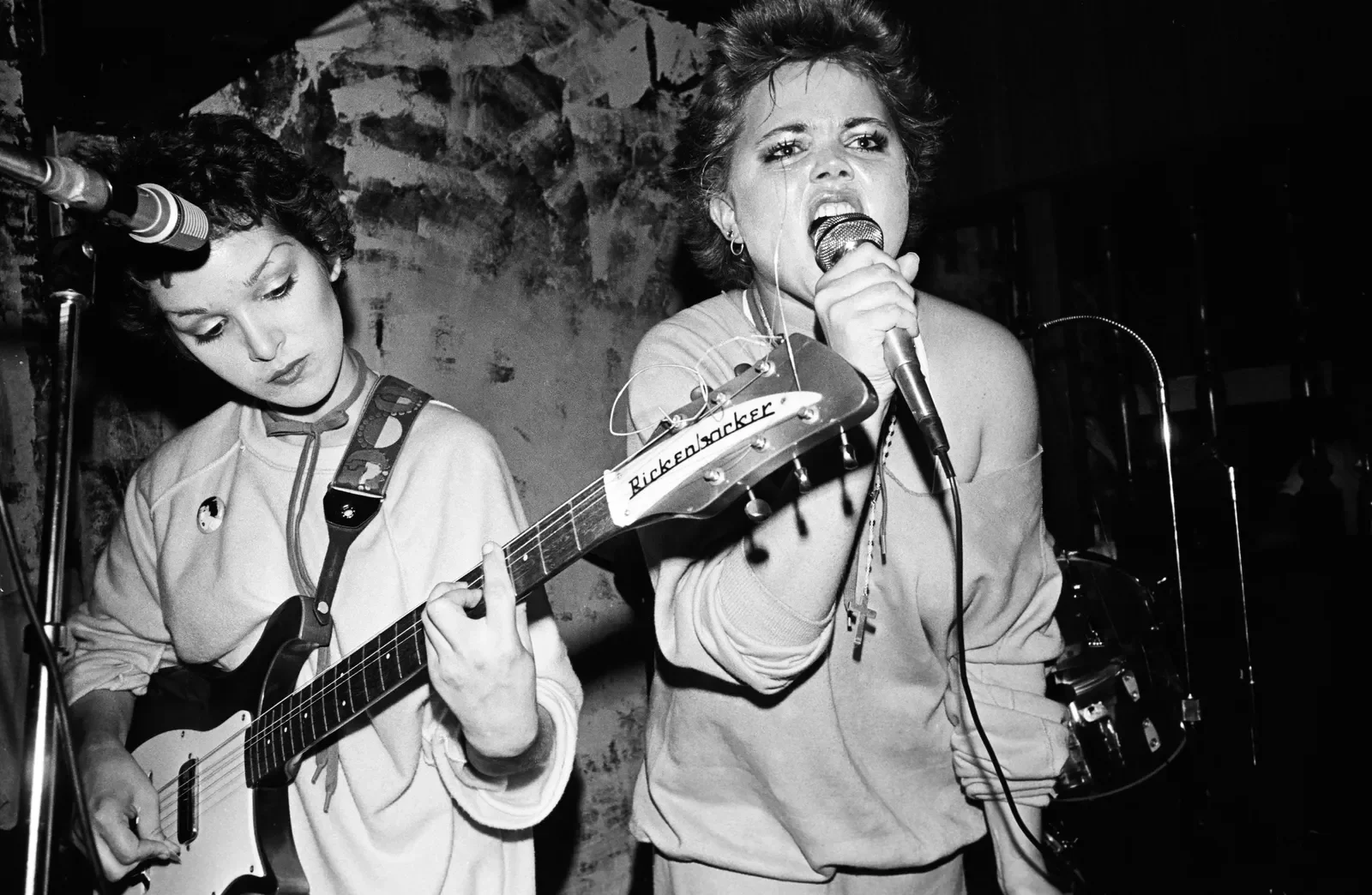
Those influences mattered because the Go-Go’s did not emerge fully formed. They emerged from a culture that valued experimentation over certainty and curiosity over credentials. In 1978, Carlisle and original bassist Margot Olavarria were sitting on a curb outside a party in Venice when they decided to start a band. Olavarria volunteered for bass. Wiedlin claimed guitar. Carlisle chose to sing. The decision has entered rock history with the simplicity of folklore, yet its deeper significance lies in how ordinary it felt within that particular community. In the Los Angeles punk scene, forming a band was less an act of extraordinary ambition than an extension of everyday life. Everyone seemed to know someone who was already rehearsing, already writing songs, already inventing another version of themselves. The Go-Go’s were no exception. They were one expression of a scene that believed art belonged to the people willing to attempt it.
Charlotte Caffey gave the Go-Go’s something every enduring band eventually discovers it needs: a center of gravity. Carlisle later joked that they recruited Caffey because she was the only one who knew how to plug a guitar into an amplifier, a line that has survived because it is both self-deprecating and revealing. The early Go-Go’s were fueled by enthusiasm, but enthusiasm alone does not produce songs that last for generations. Caffey arrived from the Eyes with a stronger musical vocabulary than the rest of the group, bringing not only technical confidence but an instinct for melody that reached well beyond punk’s immediate vocabulary. She grew up loving the Beach Boys, the Beatles, the Kinks, and the Brill Building craft that punk had supposedly swept aside. Rather than rejecting those influences, she quietly folded them into the band’s identity, proving that immediacy and sophistication were never mutually exclusive.
That decision was not without risk. Punk had begun as an argument against excess, but like every movement it quickly developed its own expectations. Melody could be viewed with suspicion, polish mistaken for compromise, and ambition interpreted as betrayal. Caffey later admitted she worried that the songs she was writing might be considered too pretty for the circles the band occupied. The anxiety is revealing because it exposes an irony at the heart of punk itself. A movement founded on rejecting rules had already begun producing new ones. The Go-Go’s would become important precisely because they refused to mistake those informal rules for permanent truths.
Gina Schock arrived carrying a different education altogether. Raised in Baltimore, she had spent years learning the discipline of being a working drummer, playing club dates that demanded endurance as much as talent. Before moving west, she performed with Edith Massey in Edie and the Eggs, absorbing a strain of performance art that blurred the boundary between music, theater, and underground cinema. When Schock first saw the Go-Go’s, she was not overwhelmed by their musicianship. She later recalled thinking they knew only a handful of songs and repeated one for an encore. Yet she also recognized something more difficult to manufacture than technical precision. There was momentum, personality, and a chemistry that could not be taught. She joined because she believed those qualities were worth investing in.
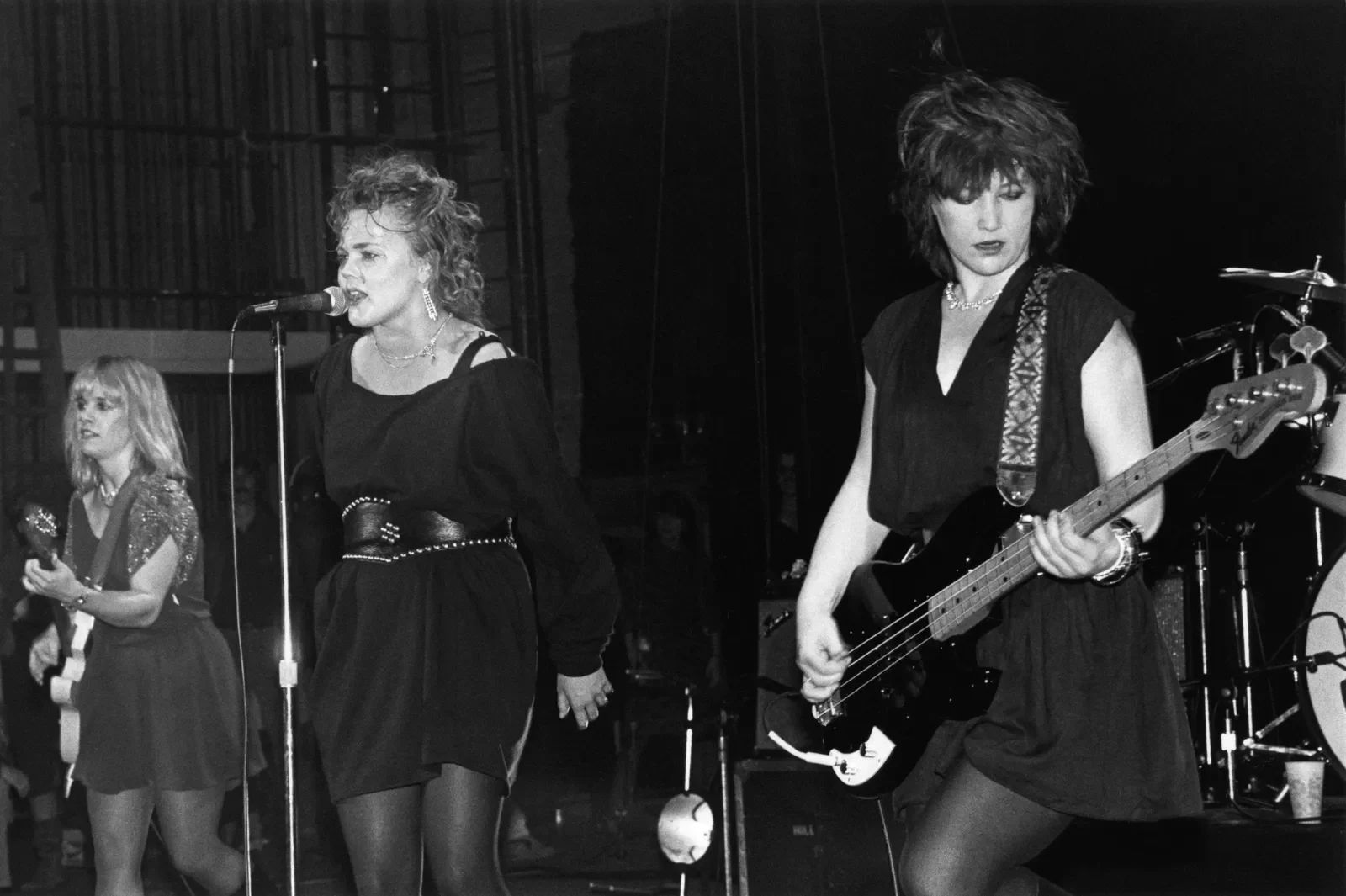
Schock’s arrival altered the band in practical ways that are easy to overlook when listening to the finished record. Rehearsals became disciplined rather than occasional. Arrangements tightened. The Go-Go’s slowly stopped resembling a gathering of friends with instruments and began functioning as a band capable of sustaining itself beyond the local scene. It is tempting to describe that transition as the moment they became professional, but that language misses something essential. Professionalism did not erase the spirit that had drawn them together. It gave that spirit a structure strong enough to survive success.
The final piece arrived under circumstances that remain both fortunate and bittersweet. Kathy Valentine had established herself in Austin’s punk community before moving to Los Angeles, and when she first encountered the Go-Go’s she was unconvinced. She later admitted she did not think they were much of a band. Fate intervened when original bassist Margot Olavarria contracted hepatitis A and was forced to step away. Valentine learned the material quickly enough to keep the group moving forward. By the time Olavarria recovered, the chemistry had shifted, and the lineup that would record Beauty and the Beat was in place.
Rock history often prefers stories that feel inevitable, smoothing difficult decisions into neat narratives of destiny. Great bands are rarely formed without sacrifice, disappointment, or moments that remain painful long after the applause begins. Acknowledging that complexity does not diminish the Go-Go’s achievement. It makes the achievement more recognizably human.
By 1980 the band had settled into a balance that was as musical as it was personal. Carlisle possessed an instinctive understanding of image without allowing style to eclipse substance. Wiedlin brought restless energy to the stage while anchoring the songs with economical rhythm guitar. Caffey supplied melodies that lingered long after the records stopped spinning. Valentine’s bass lines connected those melodies to Schock’s muscular drumming, giving the music a sense of propulsion that disguised how carefully it had been constructed. None of the five women fulfilled a symbolic role. They became indispensable because each supplied something the others could not.
The music industry continued to struggle to imagine an all-female rock band that wrote its own songs, played its own instruments, emerged from the punk underground, and intended to compete not as a novelty but as peers. The obstacle facing the Go-Go’s was never a lack of ability. It was a failure of institutional imagination.
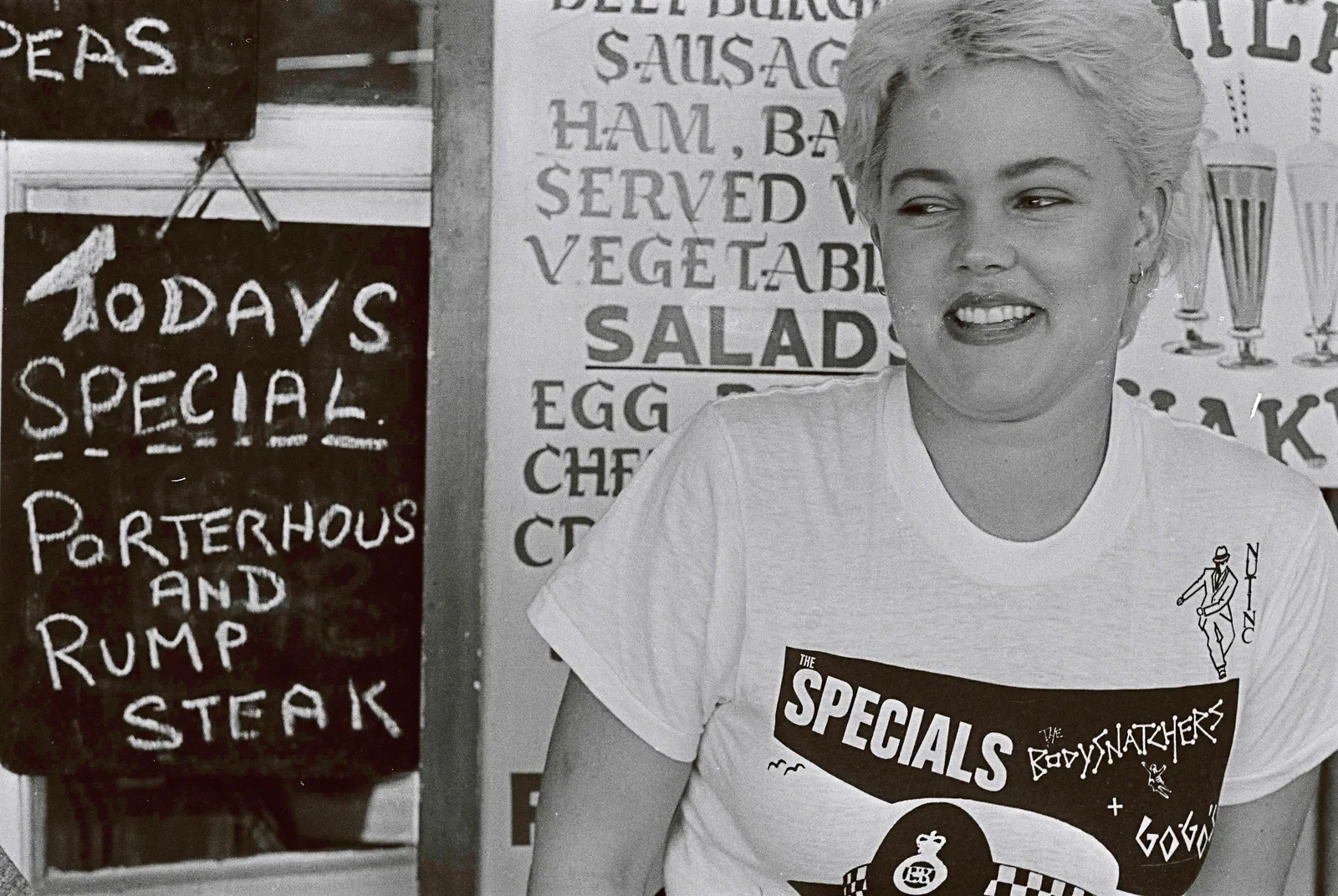
I.R.S. Records finally saw what larger companies had missed. The label had already built its reputation on artists who existed slightly outside the industry’s accepted categories, and the Go-Go’s fit comfortably within that philosophy. They were signed on April Fool’s Day in 1981, an appropriately improbable detail for a band that had spent the previous three years proving that other people’s assumptions rarely deserved the final word. The contract did not represent a rescue from obscurity so much as a recognition that the group had already done the difficult work themselves. They had become a functioning band before anyone with executive authority had decided they were worth believing in.
Recording took place in New York with Richard Gottehrer and Rob Freeman, a partnership that initially seemed an unlikely match. Gottehrer had helped write “I Want Candy” in the mid-1960s before becoming one of the most perceptive producers working in American rock. His résumé crossed boundaries that critics often treated as incompatible, stretching from the Brill Building tradition to Blondie’s Plastic Letters and Richard Hell and the Voidoids’ Blank Generation. He understood something that would become central to the Go-Go’s identity: melody did not weaken a record’s intelligence. Properly handled, it could become its most enduring strength.
The sessions exposed a familiar tension between artists and producers. The Go-Go’s had built their reputation in clubs, where speed, volume, and the unpredictability of live performance formed part of the band’s identity. Gottehrer heard something slightly different. Beneath the energy, he recognized unusually strong songwriting. His instinct was not to sand away the band’s personality but to create enough space for the songs themselves to become unmistakable. The rough edges remained, but they no longer obscured the craftsmanship beneath them.
The band was unconvinced. Belinda Carlisle later admitted she thought the finished album no longer sounded like the Go-Go’s. Kathy Valentine feared they had squandered the opportunity they had worked so hard to earn. Gina Schock believed the production had stripped away the qualities that had made the group exciting onstage. Their reactions have often been treated as an amusing footnote, evidence that musicians cannot always recognize their own success. The criticism deserves to be taken more seriously than that. They were responding to a genuine transformation. The record no longer sounded like the clubs that had made them. It sounded as though those clubs had been translated into another language.
That translation became the album’s greatest strength. Beauty and the Beat did not abandon punk so much as preserve its spirit while refusing its increasingly narrow expectations. Punk had given the Go-Go’s permission to begin, but it had never required them to remain stylistically frozen. Caffey’s melodic instincts, Wiedlin’s rhythmic precision, Valentine’s muscular bass lines, Schock’s disciplined drumming, and Carlisle’s vocal confidence all became more visible because Gottehrer resisted the temptation to bury them beneath the mythology of rawness. The album retained the urgency of a band that had learned in public while revealing a level of compositional sophistication that might otherwise have remained hidden.
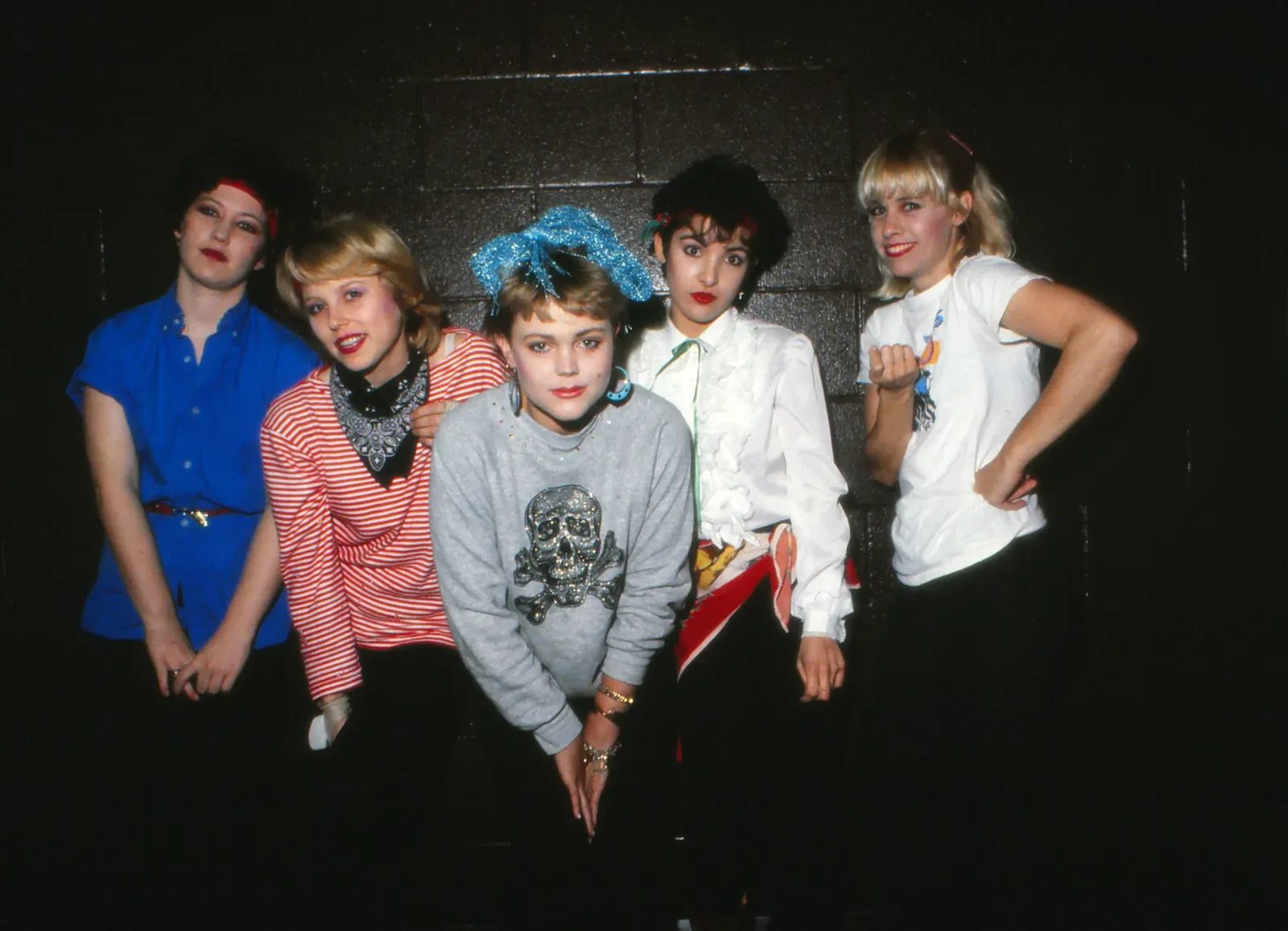
Listening to the record more than four decades later, what remains striking is not simply the quality of the individual singles but the coherence of the album itself. “Our Lips Are Sealed,” written by Jane Wiedlin with Terry Hall of the Specials, transforms private experience into a chorus that feels communal rather than confessional. “We Got the Beat” carries the exhilaration of live performance without sounding trapped inside a particular club or scene. “Lust to Love,” “This Town,” and “How Much More” reveal a band equally comfortable with emotional vulnerability, wit, and tightly constructed architecture. The album moves with remarkable confidence, never lingering longer than necessary yet never feeling hurried. Its pleasures arrive quickly, but they are built with extraordinary care.
Commercial success followed almost immediately. Released on July 8, 1981, Beauty and the Beat climbed steadily before reaching the top of the Billboard album chart in March 1982, where it remained for six consecutive weeks. The achievement transformed the Go-Go’s from fixtures of the Los Angeles underground into one of the most successful bands in America. Their videos became early MTV staples, and club dates gave way to arenas. The women who had learned to become a band inside the Los Angeles underground were suddenly helping define the visual language of a new decade.
The transformation appeared dramatic from the outside, but it obscured an important continuity. Success did not erase the band’s origins. It amplified them. The collaborative spirit, self-invention, and refusal to wait for institutional approval that had characterized the Los Angeles punk scene remained embedded in the music itself. Beauty and the Beat succeeded not because the Go-Go’s left that world behind, but because they carried its most generous ideas into places the scene itself had never imagined possible.
The image that has endured is still the easiest place to misunderstand the Go-Go’s. Five women wrapped in white towels, Noxzema spread across their faces, smiling into the camera with a confidence that seems almost effortless. The cover of Beauty and the Beat has been reproduced so often that it has acquired the familiarity of an advertisement, inviting the same casual assumptions that greeted the band in 1981. It is playful, fashionable, and immediately memorable. It is also quietly subversive. The Go-Go’s understood that women in rock were expected to choose between being taken seriously and appearing unapologetically feminine. They declined the choice altogether. The image never asks permission to be clever. It assumes the viewer will eventually catch up.
That assumption shaped the band’s career as much as any single record. Rock criticism has traditionally been generous toward male intensity. Anger, alienation, and self-destruction have long been treated as evidence of artistic seriousness, while joy, friendship, and melodic immediacy have often been dismissed as lighter achievements. The Go-Go’s entered that conversation carrying qualities critics were not especially practiced at evaluating. They were funny without becoming novelty acts, stylish without becoming fashion accessories, ambitious without presenting ambition as a form of suffering. They enjoyed one another’s company onstage, and that visible pleasure became one of the band’s most misunderstood qualities. What looked effortless was, in fact, the product of relentless rehearsal, difficult decisions, and years spent learning how to become a band in full view of skeptical audiences.
The achievement becomes clearer when viewed against the wider history of women in rock. The Go-Go’s followed artists who had already challenged convention, from the Runaways to Patti Smith, yet they refused to inherit the narrow categories waiting for them. They were neither a revival of the girl-group tradition nor women attempting to imitate male rock bands. Instead, they built something that drew from punk’s insistence on self-determination while embracing the craftsmanship of classic pop songwriting. That combination confused many contemporary observers because it resisted the critical habits of the period. The Go-Go’s showed that a band could reach the center of the market without surrendering authorship or the musical intelligence that brought it there.
The Go-Go’s did not set out to become symbols. They wanted to make records and build a life inside music. The Los Angeles punk scene had taught them that identity could be invented and authority claimed before anyone offered it. Beauty and the Beat carried that freedom far beyond the clubs where it began. Beauty and the Beat did not change because history caught up with it. History changed because the record quietly expanded what people believed a rock band could be.
Playlist
Twenty songs from the scenes, circuits and records around the Go-Go’s before Beauty and the Beat changed the scale of their story.
Los Angeles punk ground
The Germs, “Lexicon Devil”
Belinda Carlisle, then Dottie Danger, was briefly recruited to be the Germs’ drummer before the band ever played live.The Plugz, “Electrify Me”
Kathy Valentine saw the Go-Go’s open for the Plugz and later said she did not think they were a real band.X, “Los Angeles”
X shared the Los Angeles punk circuit with the Go-Go’s, and D.J. Bonebrake leaving the Eyes for X helped clear the path that brought Charlotte Caffey into the band.Black Randy and the Metrosquad, “I Slept in an Arcade”
Carlisle sang backing vocals with Black Randy and the Metrosquad before the Go-Go’s became her main story.The Controllers, “Neutron Bomb”
Part of the Masque-era Los Angeles punk world the Go-Go’s moved through before the industry knew what to do with them.The Zeros, “Don’t Push Me Around”
A crucial Southern California punk single from the same regional scene that made the Go-Go’s possible.The Weirdos, “Destroy All Music”
The Weirdos gave Los Angeles punk one of its sharpest early declarations, less a slogan than a working attitude.The Bags, “Survive”
Part of the same early Los Angeles punk landscape, close to the rooms where the Go-Go’s first learned how to become a band.
The UK turn
Buzzcocks, “Ever Fallen in Love”
Belinda Carlisle later said Buzzcocks were probably the one band all five Go-Go’s loved.Madness, “One Step Beyond”
The Go-Go’s tour with Madness helped open the United Kingdom to them and led toward the Stiff Records release of “We Got the Beat.”The Specials, “A Message to You Rudy”
Terry Hall later co-wrote “Our Lips Are Sealed” with Jane Wiedlin, tying the Go-Go’s breakthrough to the 2 Tone world they encountered in Britain.The Undertones, “Teenage Kicks”
A useful companion record for the Go-Go’s early melodic instincts: direct, fast, emotional and built for impact without losing its edge.The Jam, “Going Underground”
The kind of sharp British single that showed how urgency and craft could meet without sanding off the point.The Clash, “Complete Control”
The Go-Go’s came up in a punk world where record labels, control and credibility were never abstract questions.
Production and industry lineage
Blondie, “Denis”
Richard Gottehrer produced Blondie before producing Beauty and the Beat, giving the Go-Go’s a producer who knew how underground style could travel.Richard Hell and the Voidoids, “Blank Generation”
Another Gottehrer connection, and a reminder that the producer’s background included records with a harder downtown edge.The Strangeloves, “I Want Candy”
Gottehrer co-wrote this in 1965, long before he worked with the Go-Go’s, placing him inside a longer history of concise, high-impact singles.The Knack, “My Sharona”
A late-1970s Capitol success story that shows what major labels would back when the band fit a familiar model.
The Baltimore and Austin threads
Edie and the Eggs, “Big Girls Don’t Cry”
Gina Schock played with Edith Massey’s band before moving to Los Angeles and bringing real drummer discipline to the Go-Go’s.The Go-Go’s, “How Much More”
Charlotte Caffey said it was scary to bring more melodic songs into a punk band. She brought them in anyway.